When you take on a historical restoration, you start by documenting everything and checking materials to discover what's initial and what's been included later on. You'll require to examine samples, resource period-appropriate products, and strategy treatments that are minimal, relatively easy to fix, and compatible with the old textile. Along the way you'll balance safety and security codes and modern requirements with credibility-- so maintain going to see exactly how to make those options without compromising the structure's character.Why Genuine Materials Issue for Conservation Making use of authentic materials issues due to the fact that they protect the building's original efficiency and character: historic bricks, lime mortar, old-growth hardwood, and conventional plasters engage in a different way with wetness, heat, and lots than contemporary substitutes, and replacing them can trigger concealed damages over time.You'll appreciate architecture by selecting products that match the original textile, which assists the facade age predictably and reduces duplicated repairs.When you involve specialists for forensic investigation, you'll obtain targeted assistance that balances preservation and innovation.Local companies like the
New York City landmarks conservancy can direct you to authorized providers and tax motivations for landmark projects.On websites such as Broad Street, each landmark is entitled to customized remedies so your interventions remain relatively easy to fix and authentic.Identifying and Testing Initial Textile Begin by looking closely at the building's textile: you'll require to identify initial products, building and construction methods, and later interventions prior to any type of repair begins.Walk each area and exterior elevation, keeping in mind tool marks, mortar joints, nail types, and paint layers. Usage non-destructive techniques first: visual examination, wetness meters, and boroscope access.Where required, take small, documented samples for lab analysis-- mortar composition, wood varieties, repaint stratigraphy-- to confirm age and compatibility.Record findings with images, drawings, and a materials log.That evidence overviews proper preservation selections and helps you avoid changing audio historic textile. Share results with your preservation professional so evaluating informs very little
, reversible treatments as opposed to unneeded elimination or incompatible repairs.Sourcing Typical Products and Proficient Trades With the initial material recorded, you'll require to match products and abilities so repair work act like the building's historical work.Start by sourcing period-appropriate materials-- lime mortar, hand-made blocks, redeemed wood, and typical metalwork-- so textures, porosity, and staminas line up. Try to find specialized suppliers, improvement backyards, and makers that can accredit provenance or composition.Hire tradespeople experienced in preservation: masons versed in lime strategies, joiners who make use of traditional joints, and metalworkers acquainted with historical surfaces. Ask for portfolios, referrals, and condition-based repair work plans.Where materials are not available, look for in-kind replacements
with equivalent physical architects near me properties.Document all sources and professions'techniques for future caretakers and for grant or authorization records, making sure continuity of craftsmanship. Harmonizing Credibility With Modern Performance and Regulation Although you'll desire
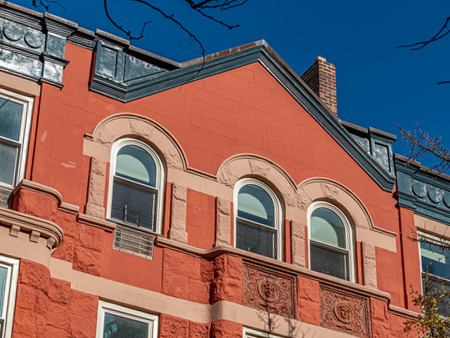
to preserve original restoration architect material any place possible, you'll also need to integrate credibility with contemporary building codes, power requirements, and functionality demands; that means selecting interventions that appreciate historical character while improving safety, convenience, and performance.You'll start by examining regulative responsibilities-- fire, availability, architectural-- and recognize where concessions are inescapable. Prioritize interventions that are visually and materially considerate: very discreet insulation, supportive cooling and heating routing,
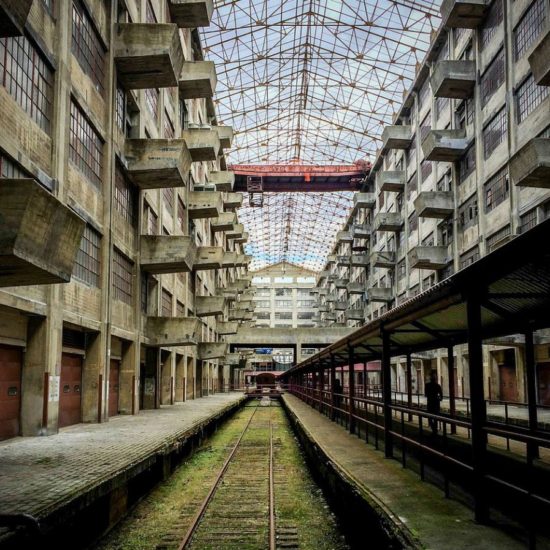
and code-compliant electric upgrades that do not rare historic finishes.Document choices and obtain authorizations from conservation authorities early to avoid pricey rework. Where modern-day systems modify appearance, usage reversible mounting or cover-up techniques that do not damage fabric.Finally, allocate expert experts that can convert code requirements right into considerate, functional options that satisfy both conservation and efficiency goals.Practical Conservation Techniques and Reversibility When you tackle conservation, focus on strategies that fix troubles while maintaining as much original material and character as possible; choose relatively easy to fix approaches so future owners can retreat or boost job without damaging the building.You'll examine condition, document initial textile, and focus on marginal intervention.Use patching, loan consolidation, and targeted substitutes that match historic materials and are appreciable on close inspection.Prefer mechanical solutions, non-permanent anchors, and breathable mortars or coatings that won't catch moisture.Test therapies on small areas and record results.Choose adhesives, coverings, and fasteners that can be eliminated without damage.Train professionals in gentle methods and supervise work closely.Good labeling and clear upkeep instructions will certainly assist future guardians comprehend what you did and why, maintaining choices for later work.Conclusion You've discovered to record, examine, and test prior to touching historical textile, focusing on marginal, reversible interventions that value original materials. Resource period-appropriate materials and experienced trades, and test repairs on little locations. Balance credibility with very discreet modern-day upgrades for safety and security, accessibility, and power. Get authorizations, execute preservation strategies that match physical residential properties, and document every choice and upkeep plan. By following these actions, you'll secure the building's personality for future stewards.
Name: Henson Architecture
Address: 27 W 20th St #1201, New York, NY 10011
Phone: (212) 995-2464
Website: https://www.hensonarchitect.com/